Barrow
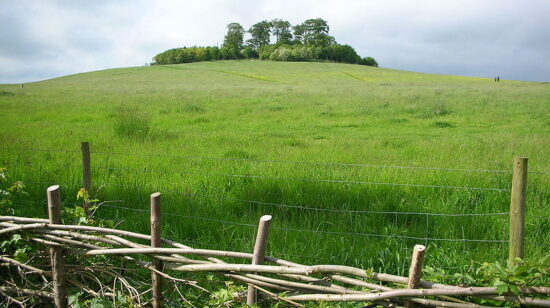
A barrow is an earthwork monument characteristic of the prehistoric period from BCE 3800-1400. The practice of barrow building becomes intermittent and largely disappears by AD 800.


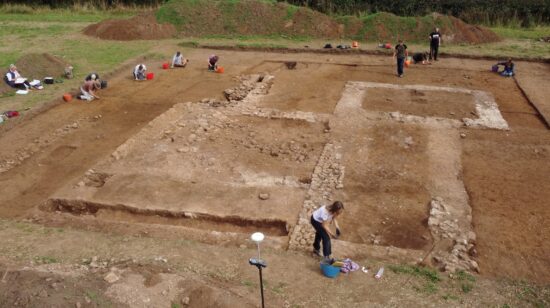
Barrows are funerary monuments that were erected to cover single or multiple burials. Excavation of mounds has shown they were often reused and changed for centuries after their original construction, with a variety of features, cultural material and burials from different periods being added to a mound over time.
There are more than a dozen distinct classifications of barrow depending on form, date and function. Barrows are often found in groupings that may contain different types. Some also have platforms, enclosures or ditches associated with them.
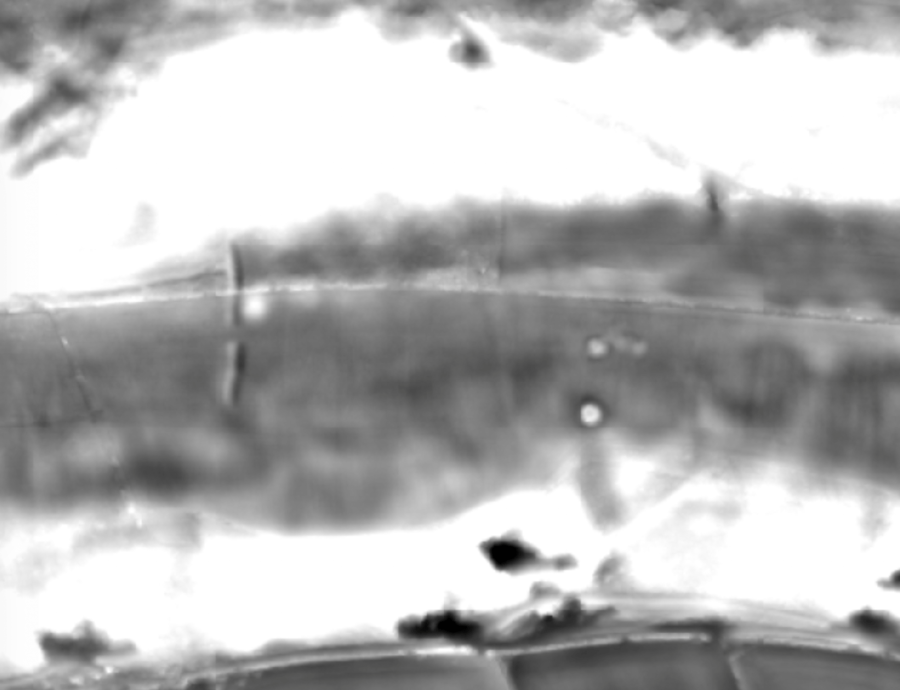
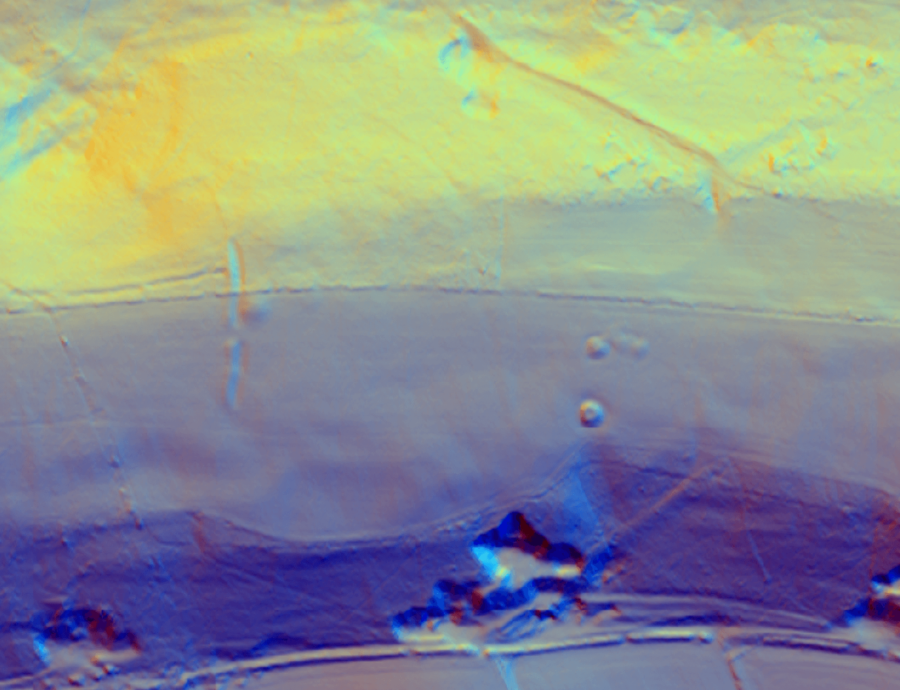
These monuments can be difficult to distinguish especially when their particular combinations of earthwork have been obscured by agricultural land use.
See Monument Types: Long Barrow, Round Barrow
Further Reading:
Historic England’s Introductions to Heritage Assets: Prehistoric Barrows and Burial Mounds
What to look for:
- Often found in groups of different forms of barrow
- Frequently associated with features like enclosures and ditches on or around the mound