20th century Airfield
An airfield is an area set aside for the take-off and landing of planes. This generally refers to non-commercial sites that may be used for private, farming, and most often military planes.
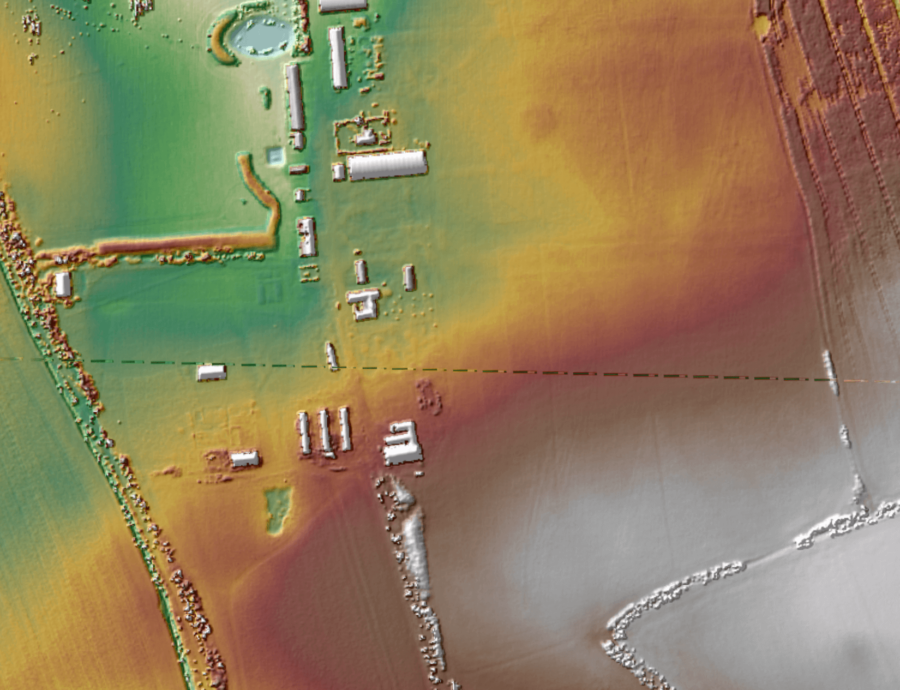
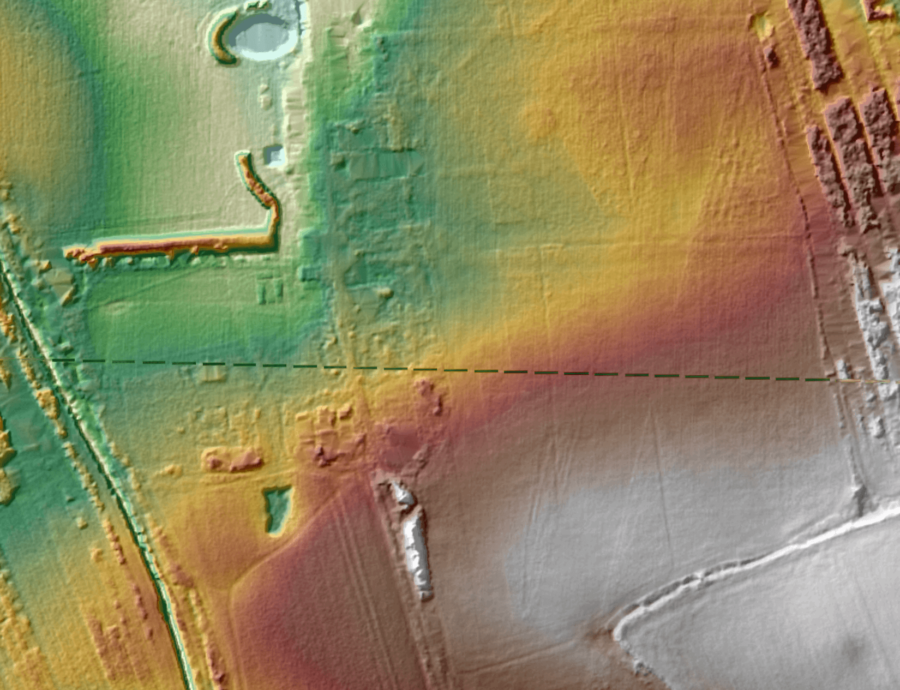
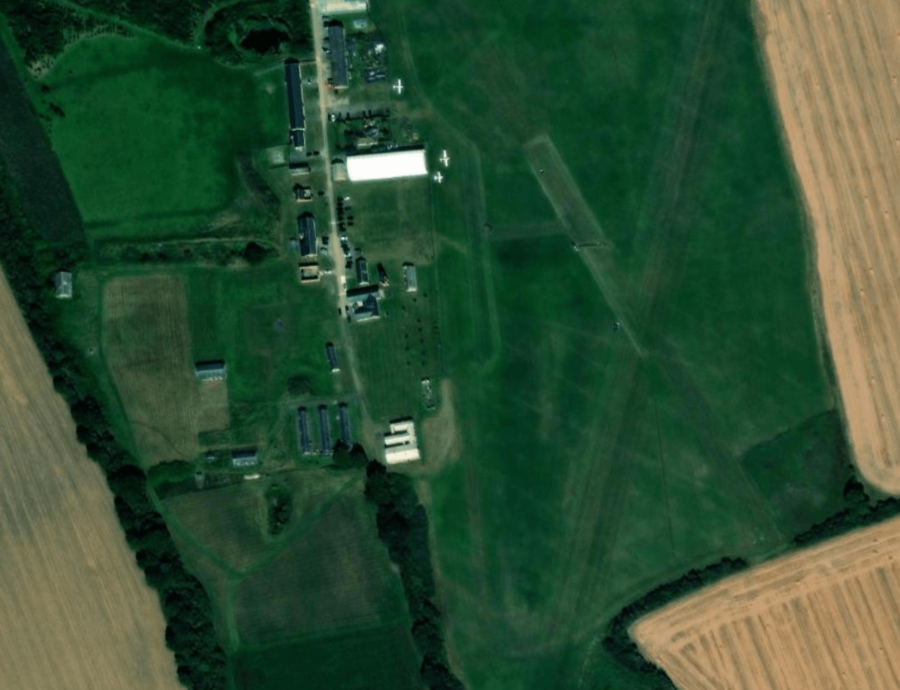

Airfields often had unpaved runways and can be difficult to identify when they have fallen out of use.
First World War Airfields covered large areas of land but utilized impermanent structures. They were mostly built on land offered by wealthy landowners and they were quickly cleared when the land was reclaimed after the war.
During the leadup to the Second World War Britain built 100 permanent airfields with concrete runways for all weather flying and a variety of buildings: messes, station HQs and guard houses, technical blocks, hangars and control towers, all built to a high standard. During the war hundreds more airfields were built to a lesser standard for temporary use. Buildings were scattered to minimise the effects of bombing. There were steel framed hangars, buildings that were a single brick thick and mass-produced corrugated metal Nissen huts.
Despite having been dismantled in the post war period, the locations of some airfields are listed on public records like OS maps. Otherwise, they can be recognised by structures like runways and building foundations.
Further Reading:
Historic England: Historic Military Airfields
Historic England: Review of Second World War Temporary Airfields in England
What to look for:
- A-shaped cement runways
- Associated buildings, roads, cemented areas
- Evidence for associated building platforms or standing buildings
- Aerial photographs
- Historical records