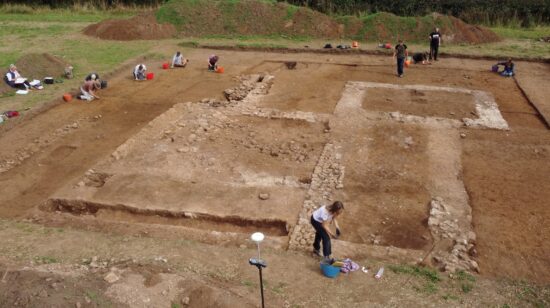
Circular Enclosure
A circular enclosure is an earthwork or combination of bank and ditch with a circular plan.

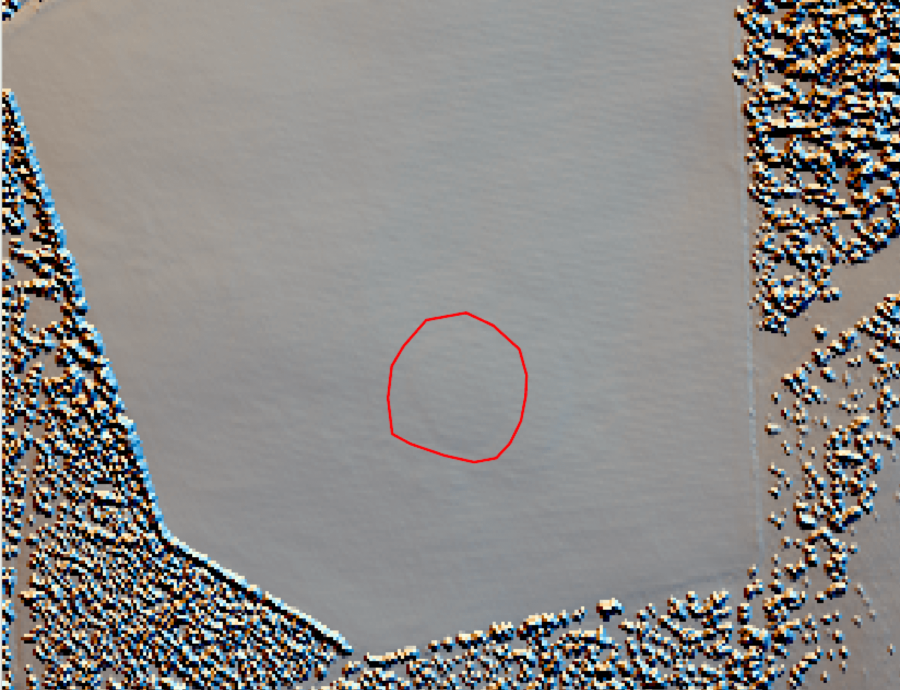




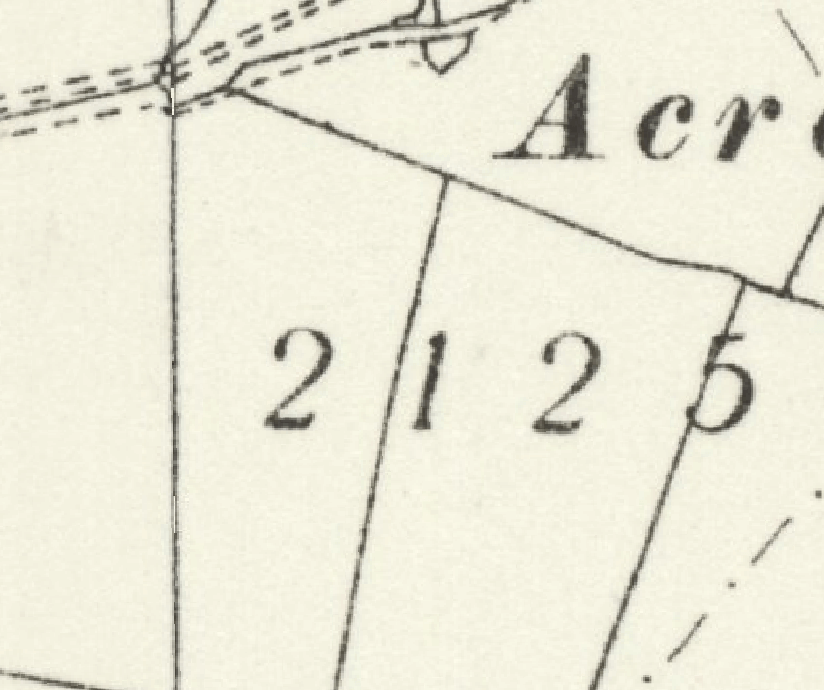

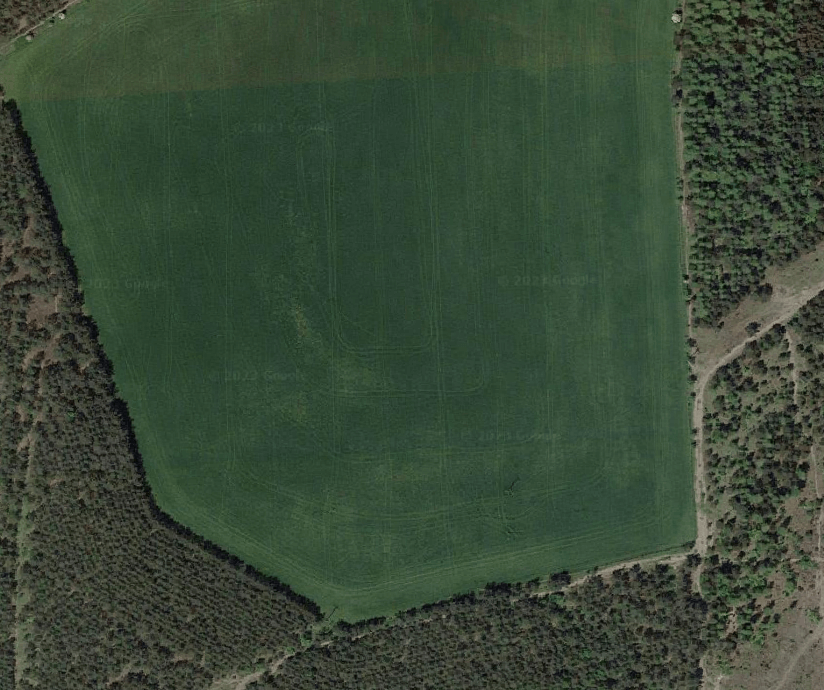

There are several types of circular enclosures and they can be difficult to distinguish from one another. Common types include:
Ringworks
Ringworks are distinct in that they are precisely circular in plan. The ditches are usually wide and deep, and the banks likely had associated ramparts. They are often found on hilltops or the edges of spurs. Ringworks were built for a short period spanning the 11th – 8th centuries BCE and are concentrated in the east of the country, particularly near river networks. They can range from 40-120m in diameter with the majority of sites enclosing less than 1ha in area.
Henge
Circular enclosures where the ditch lies inside the bank rather than outside. Sometimes these would enclose rings of timbers or standing stones. Henges are most frequently found on low-lying river valleys. They have one – or more commonly – two entranceways and are up to 110m in diameter.
If no more specific function of a round enclosure can be discovered, the category Circular Enclosure is most appropriate based on form.
What to look for:
- An arrangement of banks and ditches with a circular plan