Lynchet
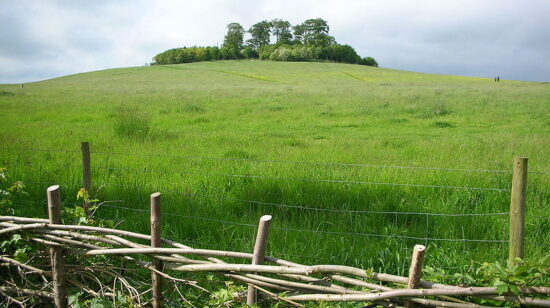
A lynchet is the bank-like feature formed as a result of ploughing on sloping fields.
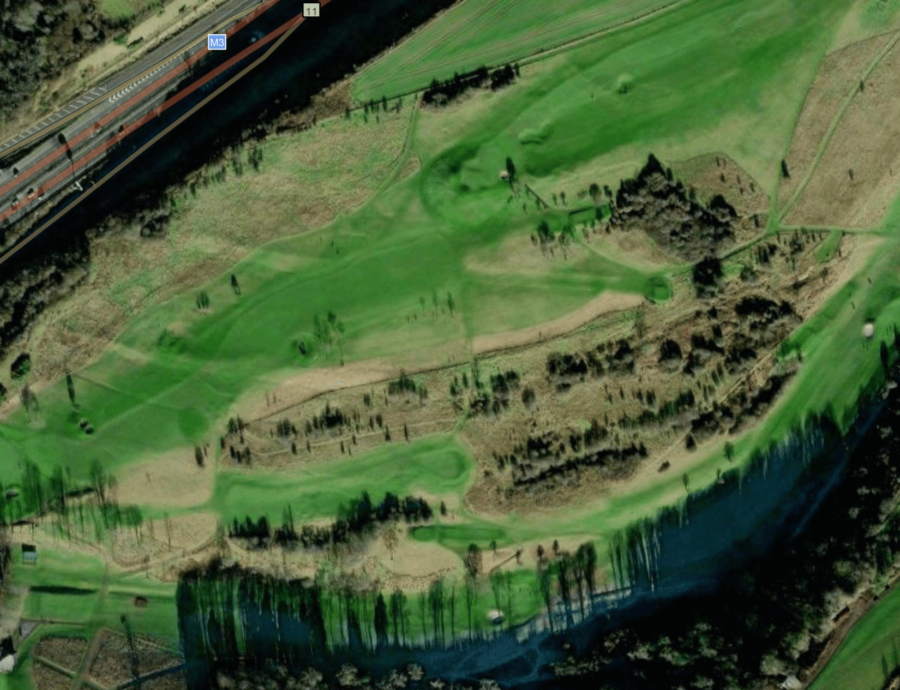


A positive lynchet forms where the plough soil shifts down-slope and accumulates against a boundary like a wall or bank. A negative lynchet is where the surface is ploughed away, forming a cut feature. Slight differences in form can be associated with different periods of use. Prehistoric lynchets tend to be narrow and set within square fields, and medieval lynchets called ‘Strip Lynchets’ were longer and more rectangular in form, sometimes more than 200m in length. Lynchets can vary in size depending on the slope of the land and intensity of cultivation, from as shallow as 0.25m to a height of 2m.
Further Reading:
High Weald AONB: Gazetteer of archaeological features found within woodlands
What to look for:
- A perceived ‘step’ into sloping land
- Possible line of stone along the length as a result of field clearances
- Often situated along field edges or contours