Boundary Bank
A boundary bank is a type of earthwork that is used to enclose or separate a particular area of land.

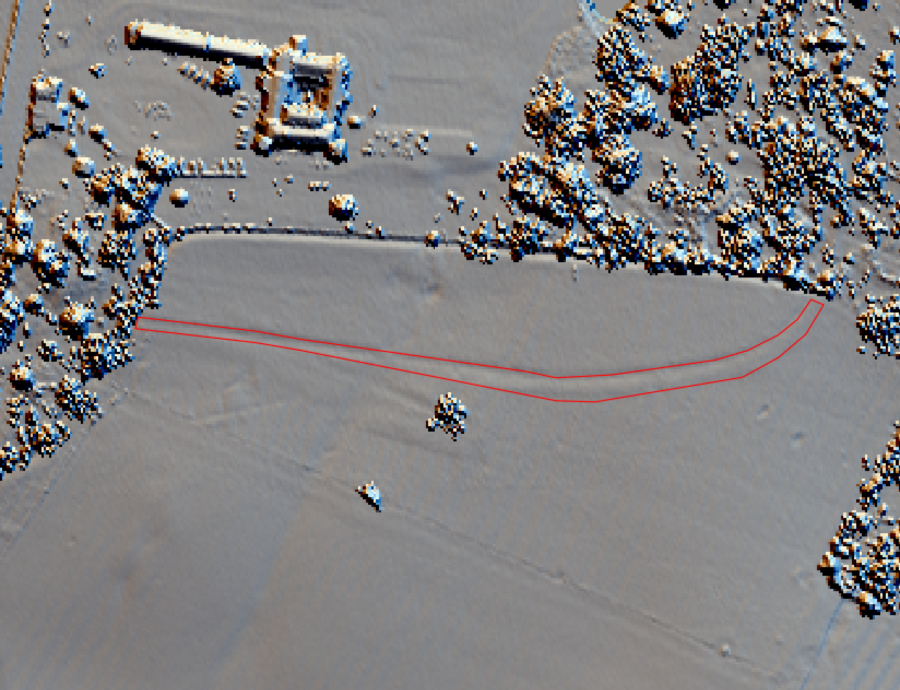

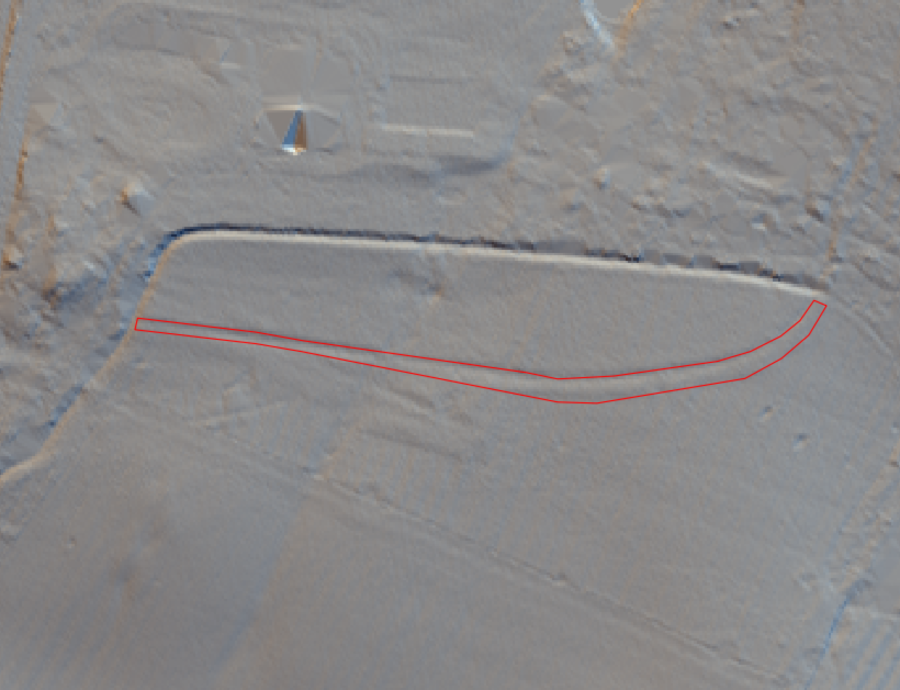

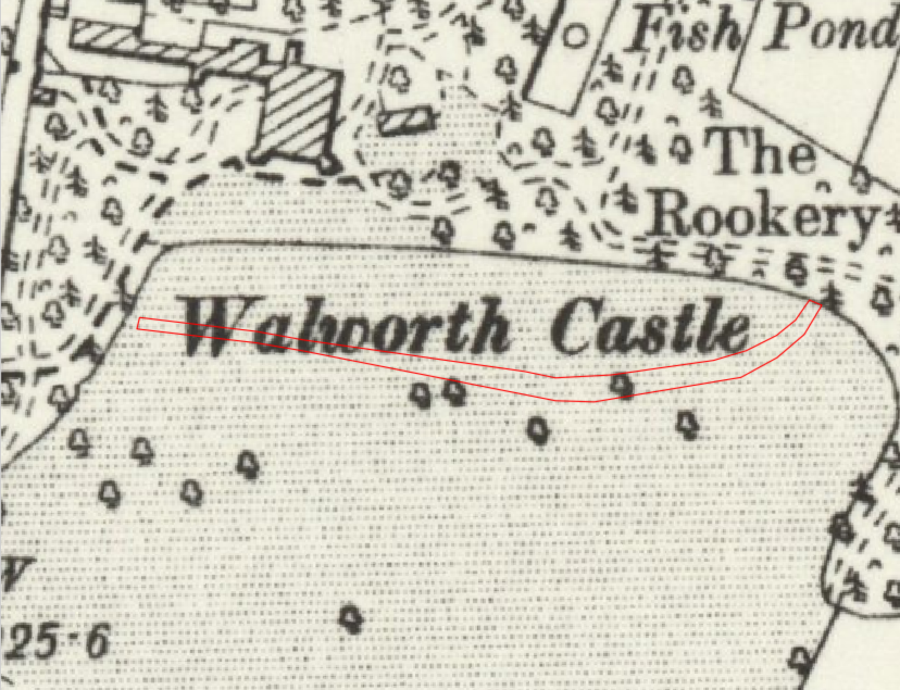
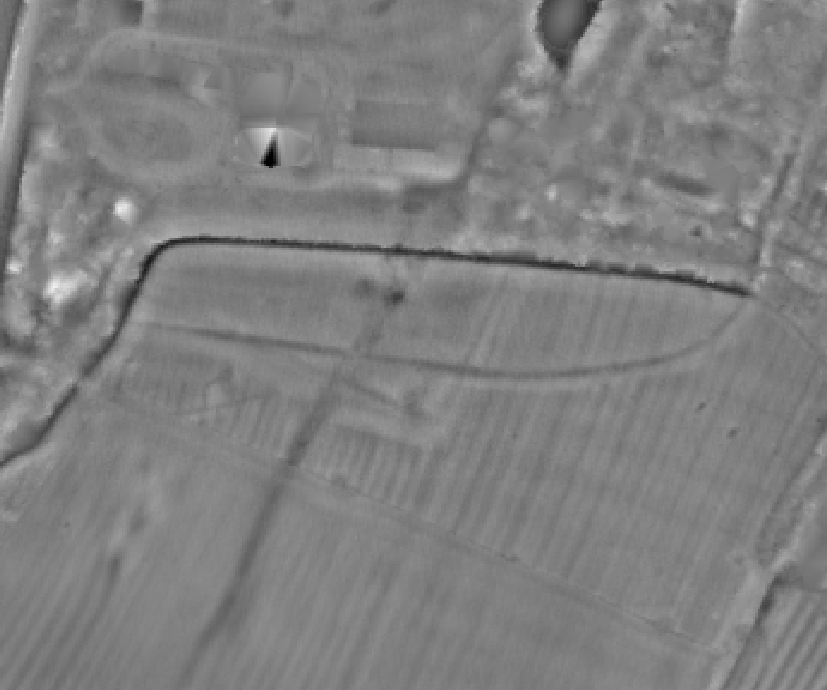
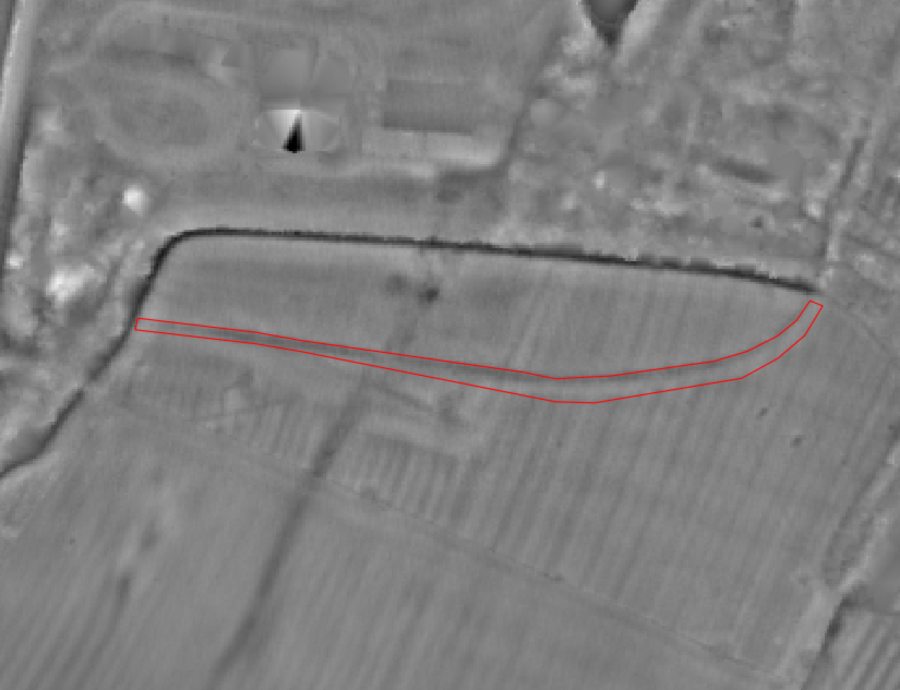
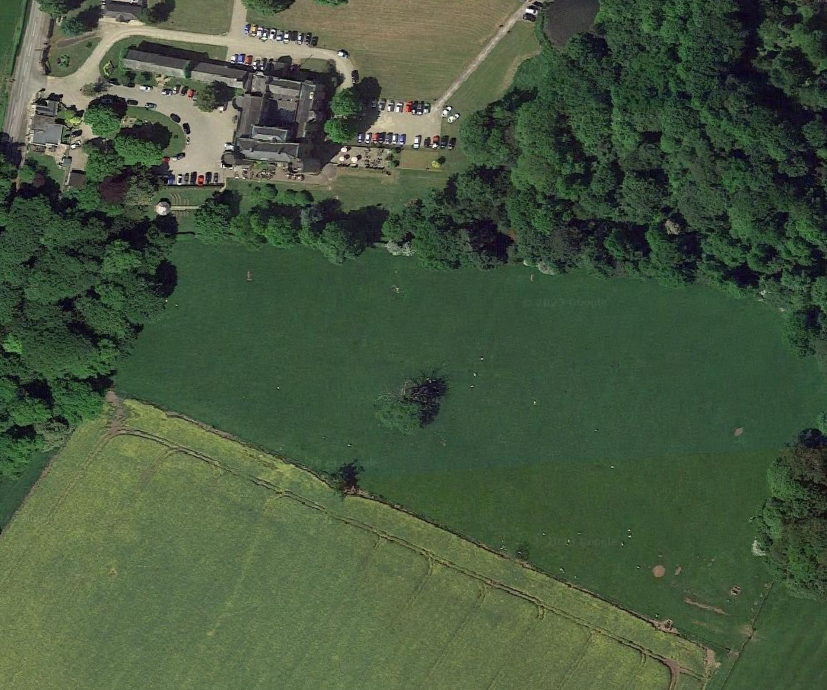

Historic earthworks are often recorded in the written record making their use as boundaries well understood. Prehistoric earthworks are much more challenging to interpret. Monumental earthwork boundaries started to appear in the Neolithic period and became more common through the Bronze Age. They may have been erected for agricultural, defensive or symbolic purposes. Some will have had multiple uses that changed over time.
It can be difficult to determine the purpose of a boundary bank. Useful characteristics to look for are banks building on, extending, or following natural boundaries like hills, escarpments and coastlines. This can be a clue that the bank was intended to emphasise these borders. Important ancient boundaries marked by earthworks may persist for long periods with evidence of rebuilding or reinforcing with subsequent banks, even creating a series of parallel earthworks. Banks can also be used to show the exterior limits of field systems or settlements.
Further Reading:
Historic England’s Introductions to Heritage Assets: Prehistoric Linear Boundary Earthworks
Historic England’s Introductions to Heritage Assets: Linear Frontiers
What to look for:
- Often better preserved in wooded areas without plough erosion.
- Associated monuments or settlements
- Following contour of natural landscape boundaries