Miracles to Medicine
Exploring the social and cultural history of medicine and health in medieval Northumbria
Bridging the gap between history and science

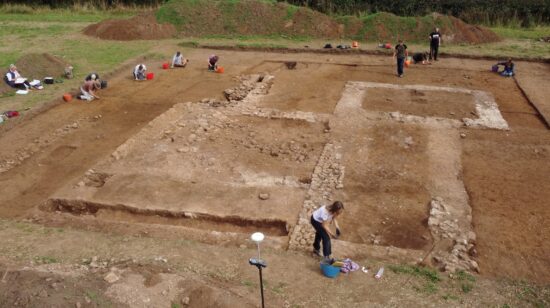
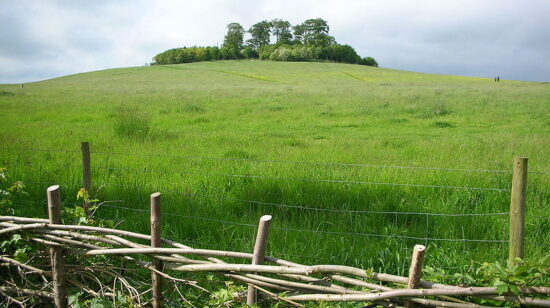
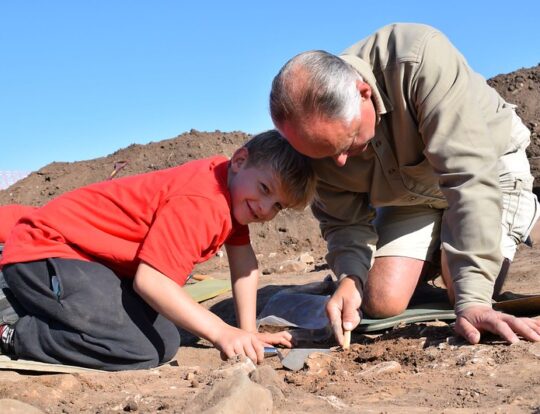
Rooted in the dramatic landscape of Lindisfarne, a tidal island long associated with healing, the Miracles to Medicine project invited young learners and families to explore the surprising realities of medieval medicine. Through hands-on excavation of a monastic infirmary, and interactive workshops that included replica human bones, medieval characters, and live leeches, participants bridged the gap between history and science education, discovering how historical practices laid the foundations for modern medicine.


The Challenge
Medieval medicine is often seen as a mix of superstition, strange potions, and bizarre treatments, but archaeological evidence shows that it was much more than just hocus-pocus. Herbal remedies and early surgical techniques could be surprisingly effective.
How could we enable people to explore the real history of medieval healthcare? Could we use archaeological discoveries to spark discussions about medicine and healing, both past and present?
Could we make this research accessible and engaging to a wide audience, particularly schools, families, and young learners? Could this help to bridge the gap between history and science education?
Our challenge was to change public perceptions of medieval medicine, and encourage people of all ages to explore the real history of medieval healthcare, and to think critically about health, social care, medical ethics, pseudo-science, and faith healing.
What We Did
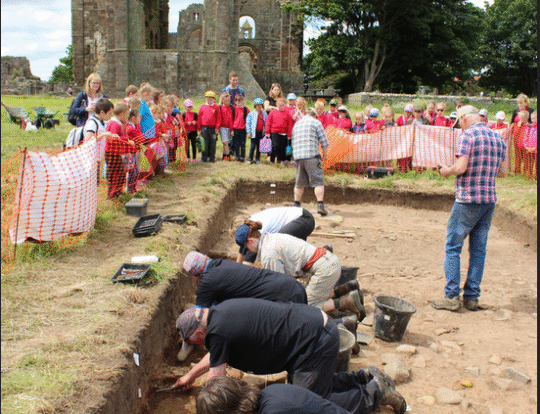
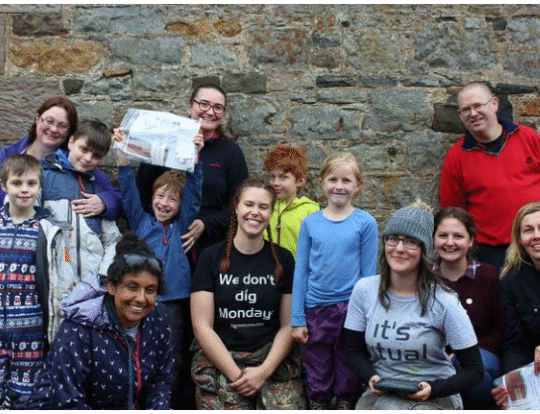
With funding from the Wellcome Trust, we designed a programme of hands-on archaeology where families were could help to investigate the real medieval infirmary on Lindisfarne.
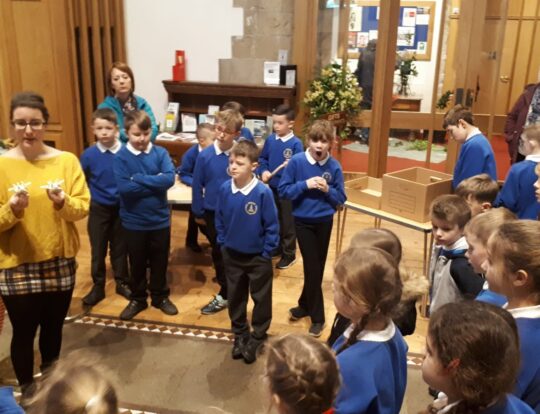
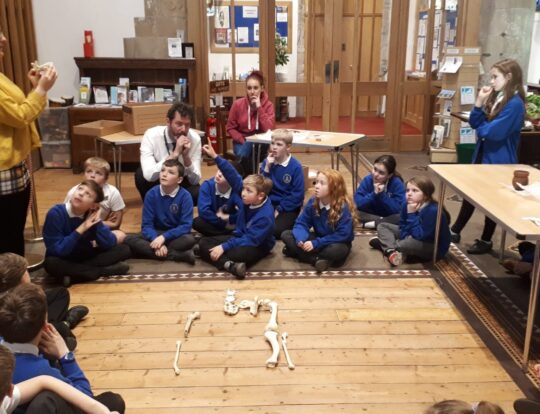
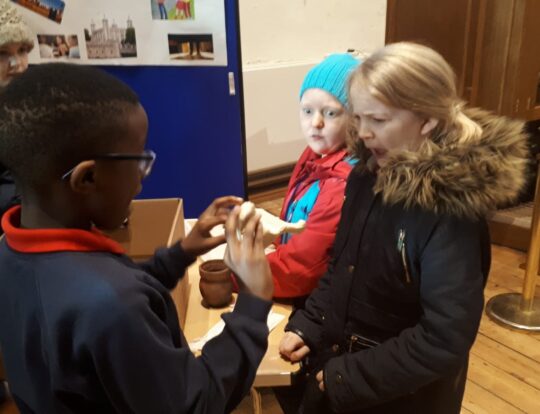
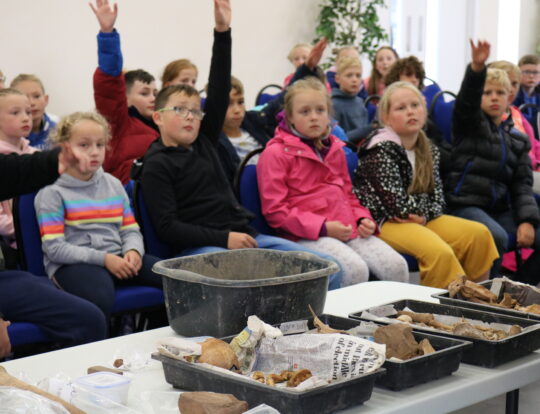
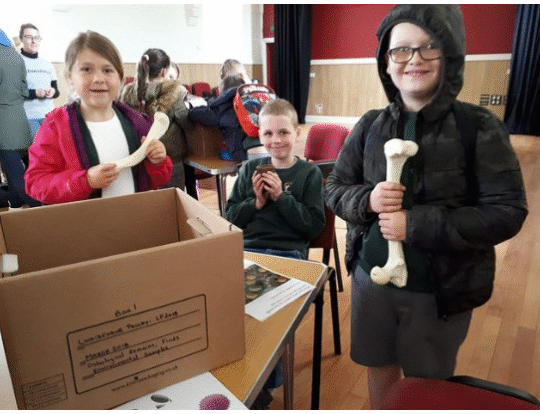
We also designed an interactive learning activity for use in schools, youth groups and public events, which allows young people to take on the role of an archaeological investigator.
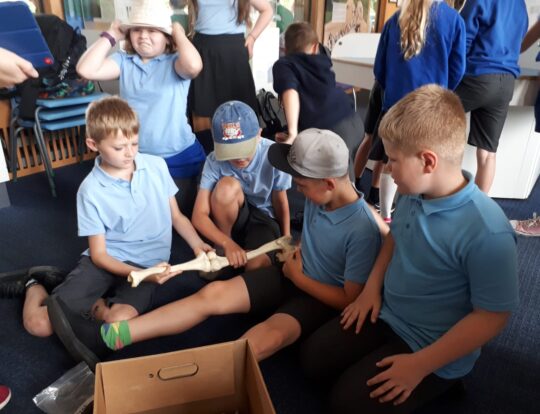
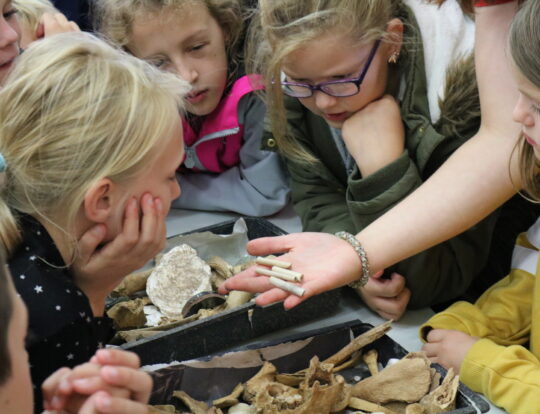
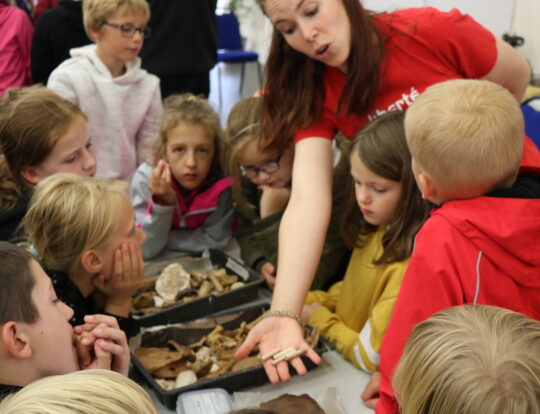
Starting with a box of evidence, including replica bones, participants were challenged to diagnose the illness of a medieval character, identify the medieval remedy that might have been used to heal them in Anglo-Saxon times, then discuss the evolution of medicine and how a modern doctor would likely treat the same disease, injury or illness today.
This “choose-your-own-adventure” style workshop invited young learners to examine medieval medicine through a STEM lens, using deduction, logic, team working, and creative reasoning.

Our Impact
Miracles to Medicine combined archaeology, science, and public engagement, reaching thousands of participants through hands-on excavation, workshops, and digital learning.
- Over 2,500 young learners participated in workshops, exploring medieval medical practices and their evolution into modern medicine.
- The project encouraged critical thinking about pseudo-science, faith healing, and medical ethics, connecting the past to contemporary issues in healthcare.
- The excavation at Lindisfarne’s infirmary provided a public touchpoint for academic research, demonstrating how bioarchaeology and health science are embedded in our lives.
- Schools, museums, and youth organisations benefited from engaging, archaeology-based learning experiences that helped bridge the gap between history and science education.
Miracles to Medicine featured at multiple public events, offering families and learners of all ages a chance to engage with medieval medical history in creative and interactive ways.

Key Discoveries
The excavation at Lindisfarne’s monastic infirmary provided rare insights into medieval approaches to medicine and healing. Archaeological evidence confirmed that treatments were not just based on superstition, but often grounded in herbal knowledge and early scientific principles. The project also revealed new details about how the monastery provided medical care to monks, pilgrims, and the wider community.
Some of the most exciting discoveries included:
- Burial evidence showing signs of trauma and disease, helping researchers understand how medieval people experienced and treated injuries and illness.
- Architectural evidence of the infirmary complex, revealing how medical care was organised within the monastery.


What's Next?
Although Miracles to Medicine has now concluded, the project laid the foundation for continued research into medieval healthcare and provided a model for using archaeology to engage the public with health sciences.
The excavation results will contribute to ongoing bioarchaeological studies, while the interactive learning resources developed for the project continue to inspire discussions about medicine, ethics, and science education.
DigVentures continues to use Miracles to Medicine as a key part of our educational toolkit, and the workshops and materials for interactive sessions with young learners has been expanded into many different time periods, with new characters, diseases and traumas added. The game is highly adaptable and can be expanded to create a bespoke set of characters for new projects.
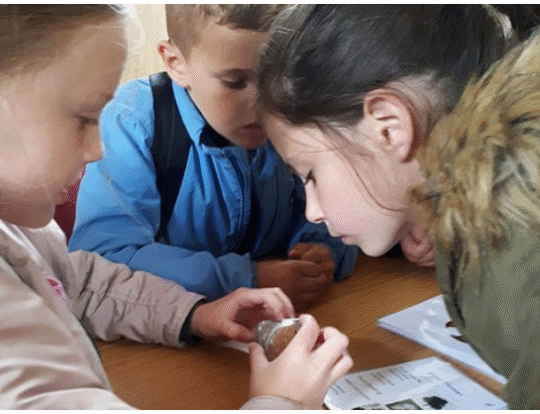
‘I enjoyed having to find out what is wrong with the person’
'I learned when you broke your arm if it was too bad they chopped it off'