
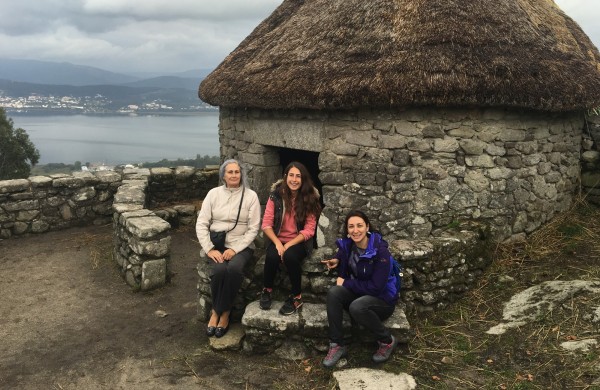
Think of Spain and you’ll probably be thinking of rugged mountains, Moorish palaces, and coastlines filled with ex-pats. But head north, and you’ll find something quite different, something quite unique, and that’s a place called Costa dos Castros.
Costa dos Castros is home to one of Spain’s best kept archaeological secrets – a string of Iron Age hillforts that runs all the way down the Atlantic coast and spreads inland. Here, four rural communities have joined together to fund, research, conserve and promote this archaeological marvel.
DigVentures brought six Archaeology Ambassadors to discover the sites. In return, we promised to wine them, dine them and show them the best of the archaeology.
Meeting the community
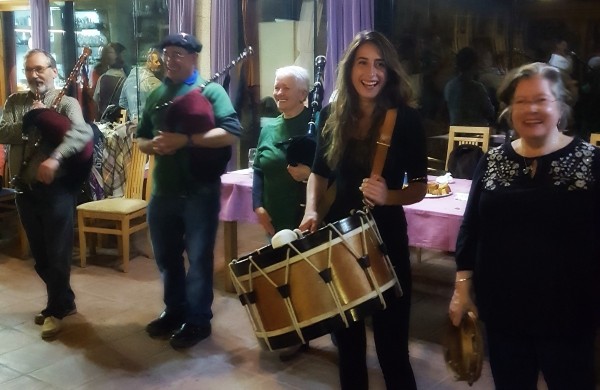
The Costa dos Castros project is already creating new jobs for young people, and adding a bit of oomph to the local economy, and the Costa dos Castros team invited the Archaeology Ambassadors to a get-together, which soon turned into a bit of a shin-dig. With bagpipes, drums and ad hoc instruments made of shells, the music, dancing and had conversations that flowed well into the wee small hours!
Setting off on the hillfort challenge
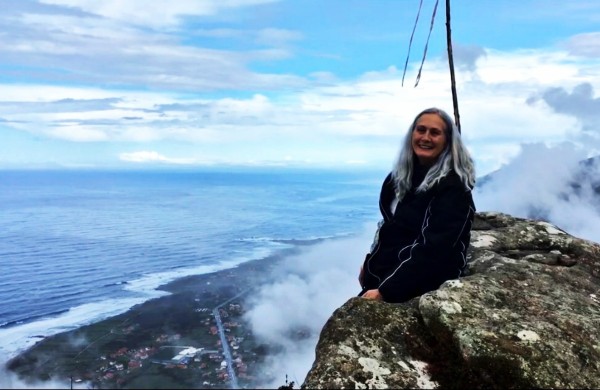
The Archaeology Ambassadors pulled on their walking boots, and set out to climb three hillforts in just one day… and they made it! They were rewarded with great views and an insight into the dramatic history that lead to their construction, including Bronze Age trade routes that extended all the way around the Atlantic coast and into the Phoenician world.
Local mythology

We all like to hear stories about the past, and the people of Costa dos Castros are no different. On our walk, we heard about the ‘mouros’ – giant spiritual beings that previous generations told tales about to explain the existence of so many enormous monuments on their landscape.
Getting lost in an Iron Age city
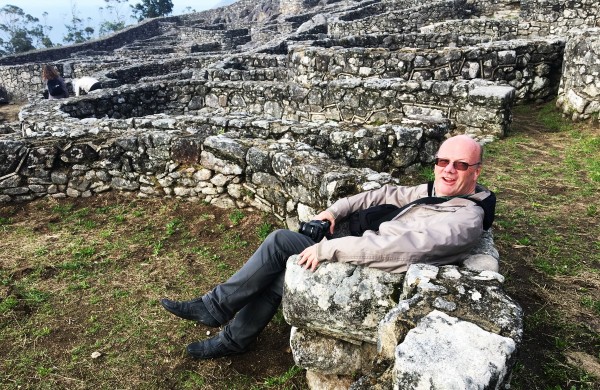
The Archaeology Ambassadors continue their journey as far south as they could go – all the way to Santa Trega, right on the border with Portugal. This vast Iron Age settlement is more than a hillfort, it’s a city! The hillside is so densely packed with roundhouses that navigating your way through its little paved streets is like finding your way through a maze.
Discovering that the Romans built roundhouses too
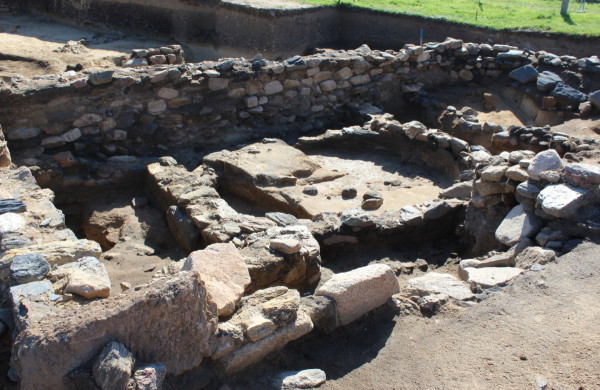
Having seen Iron Age hillforts, and an Iron Age city, it was now time for the Archaeology Ambassadors to see something completely different: an Iron Age FACTORY! We headed north to A Lanzada to meet the archaeologists currently excavating the ruins of a site where people on the Atlantic coast had been manufacturing Mediterranean goods on an industrial scale, long before the Romans arrived. When the Romans arrived, quite some time after the factory was abandoned, they built villas on top of the abandoned factory, some of which incorporated traditional Atlantic-style roundhouses into their construction.
Looking for Bronze Age rock art in the dark

Costa dos Castros isn’t just about hillforts – there’s an incredible density of Bronze Age rock art, and many more to still be discovered. But the most fascinating is that during the day, they remain hidden. They only become visible in the long shadows cast at dusk, or by torchlight under the cover of night…
Getting to know an ancient culture, and a modern day one too
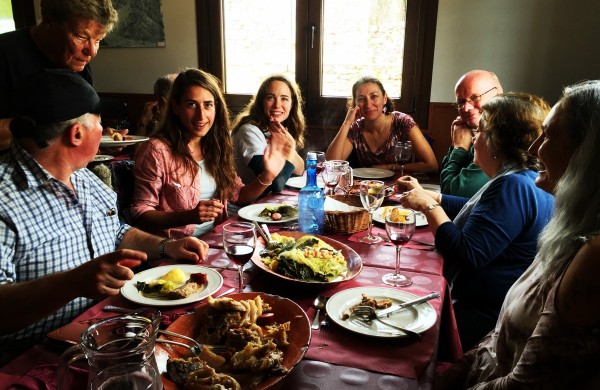
Archaeology isn’t just about ancient cultures, it’s about modern day ones too, especially at Costa dos Castros! The project is directly benefiting the people who live here today, and the Ambassadors were treated to many local delicacies being produced by families and small businesses involved in the project, including Mirabelle plums, turnip tops, Albariño wine, and even a sunset Thalassotherapy session…
And finally… Meeting the conservator!
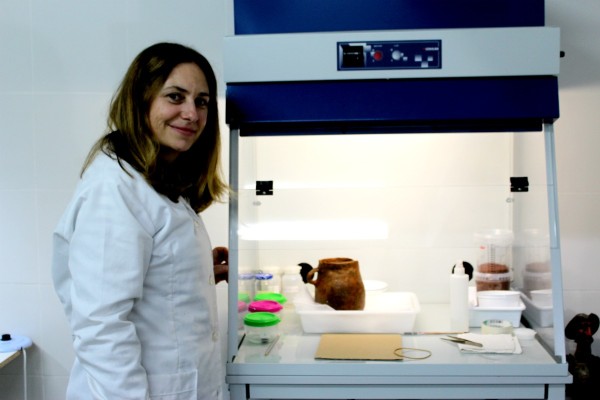

The money raised by crowdfunding will help the Costa dos Castros team carry out conservation work on the Iron Age roundhouses that last year’s excavation uncovered, to consolidate the walls so that visitors (and the people of Costa dos Castros themselves) can enjoy this incredible heritage all year round.
But that’s not all…
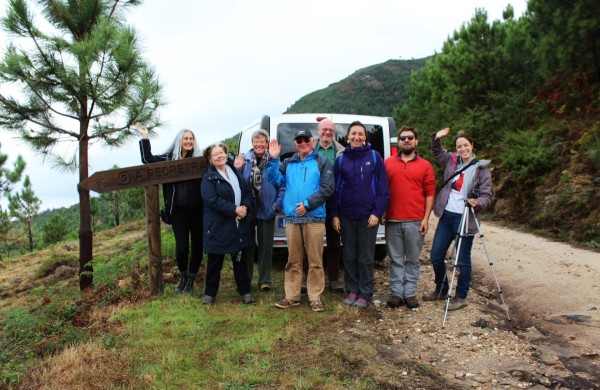
The Costa dos Castros project is really starting to get going, and it’s impact is becoming clear; new archaeology, new jobs and new uses of these ancient sites. Conservation work is due to start in a few weeks. Next year, they’ll be looking to record and conserve some of the rock art, so keep your eyes peeled for new opportunities to become an Archaeology Ambassador!