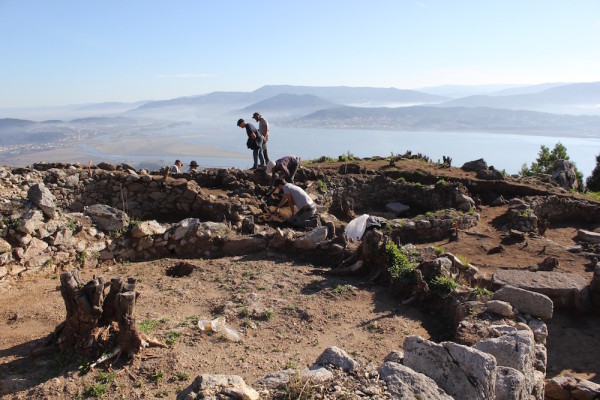

We went to visit archaeologists excavating a 2,500 year old hillfort in northwest Spain. What we saw completely blew us away.
Unknown to many, northwest Spain is absolutely chock full of Iron Age archaeology. It’s also peppered with some astonishing rock art. Why? Because 3,000 years ago, it was a hotbed of Bronze Age activity and sat at the heart of a trade network that reached from Scotland to Portugal along Europe’s Atlantic coast.
It all lead to a glut of hillfort-construction and on one stretch, there are so many (no less than 13 within a 7km strip!) that it has come to be known as Costa dos Castros (Coast of the Hillforts). In fact, the people who live here are campaign hard to bring international attention to the archaeology in their area. You can help by becoming an Archaeology Ambassador!
These hillforts have many similarities to the ones we have in the UK, including artistic designs that many describe as Celtic. But they also developed into its own unique tradition, known throughout Spain as ‘Castro Culture’. When we went to visit Santa Trega (one of the biggest), we were blown away.
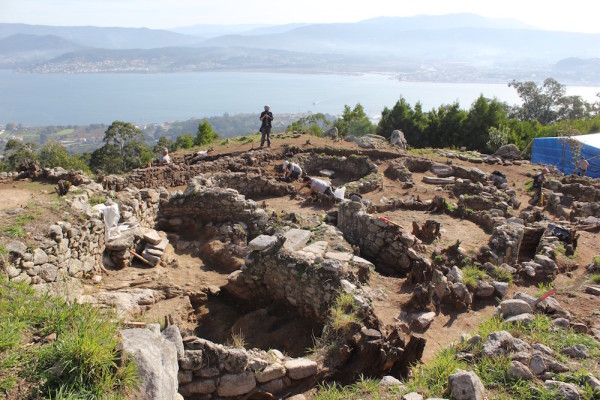
It’s got round stone houses, little paved streets, stunning views out over the River Minho into Portugal and was home to over 3,000 people. So far, archaeologists think it was inhabited for 500 years, around 2,500 years ago, and eventually subsumed by the arrival of the Romans. In other words, it provides a clear example of indigenous, pre-Roman, Iron Age urbanism. Here’s what we saw…
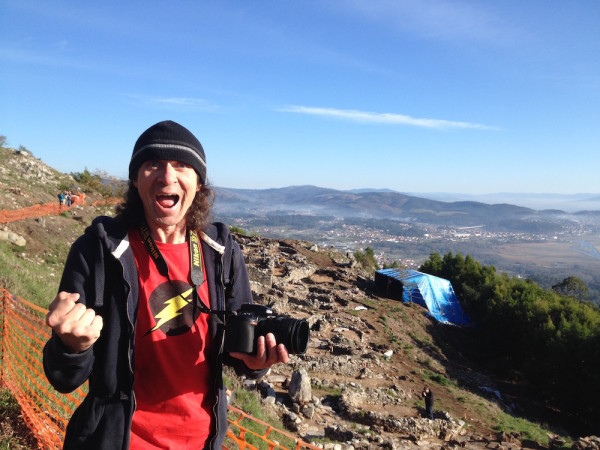
First of all, the views are spectacular
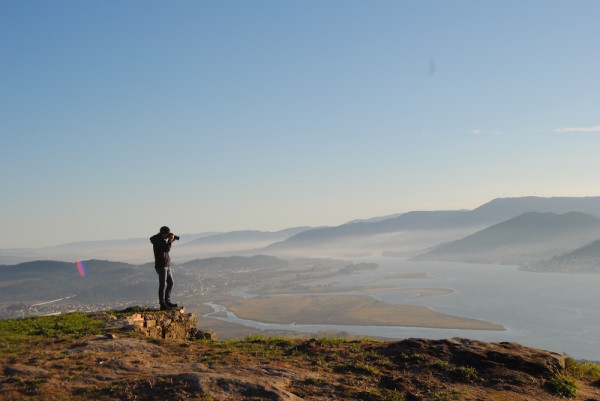

You can really see why they chose this spot
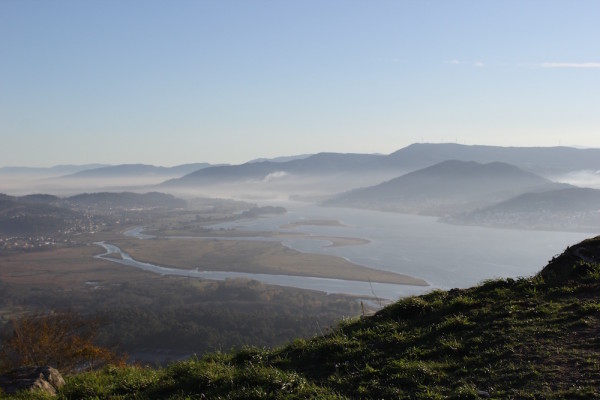
And as soon as you head down the hill, you start to get a sense of the settlement’s size

It’s REALLY big, covering an entire hillside
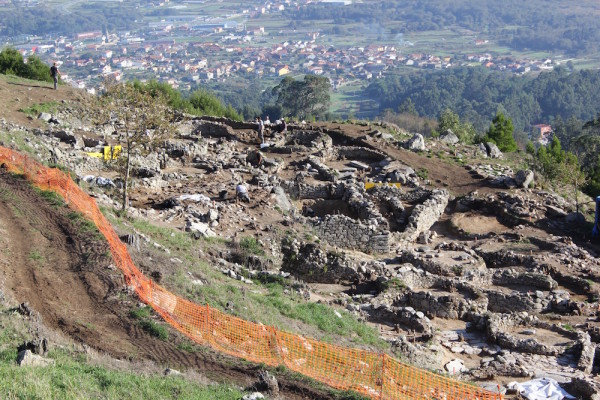
And that’s only the bit that’s being excavated!
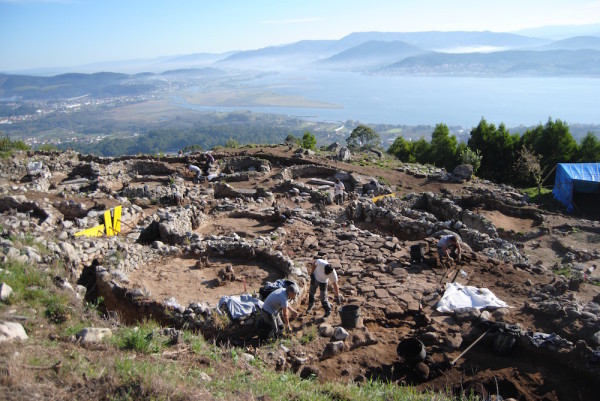
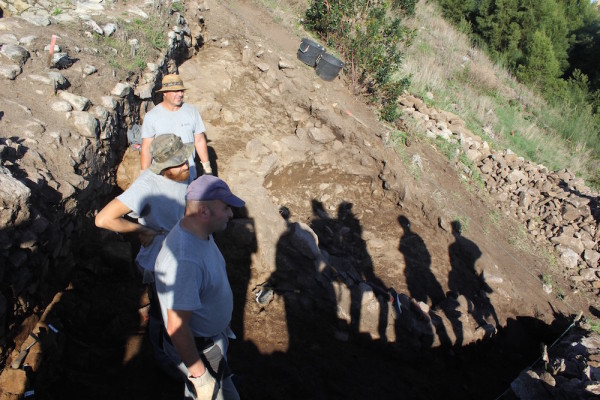
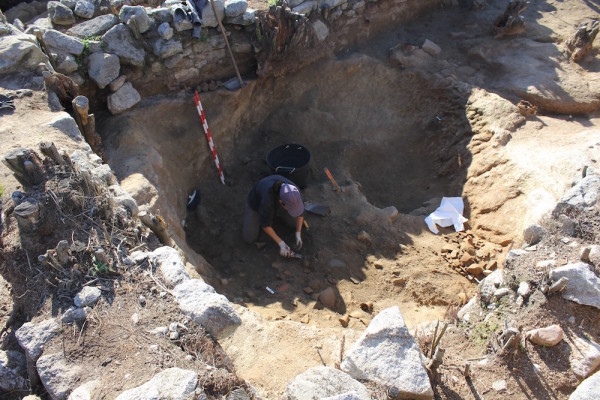
We can see one of the archaeologists carefully excavating inside one of the buildings
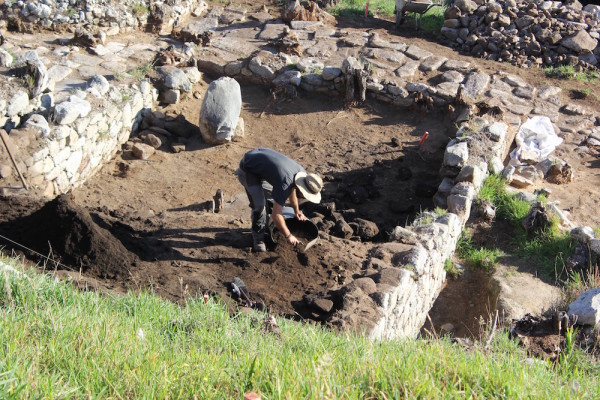
One of the first things you’ll notice is that while the earlier buildings are round…
They’re also quite small…
Many of the post-Roman ones are more square
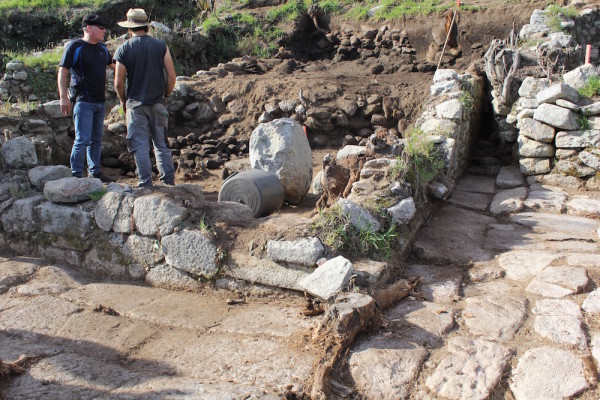
Among the buildings, there are also these monumental stones
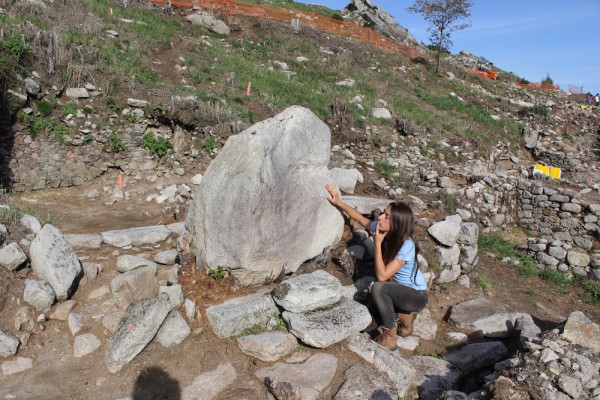
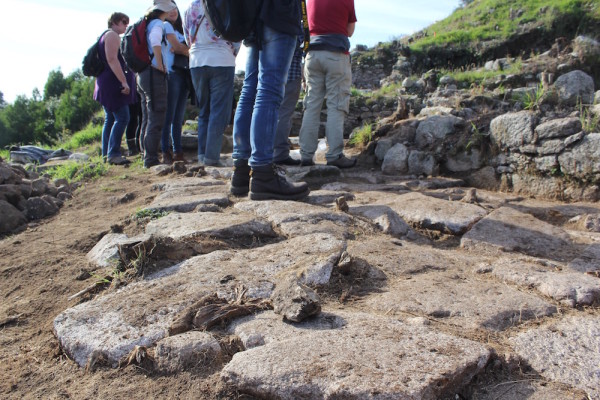
Even the streets between the building are paved!
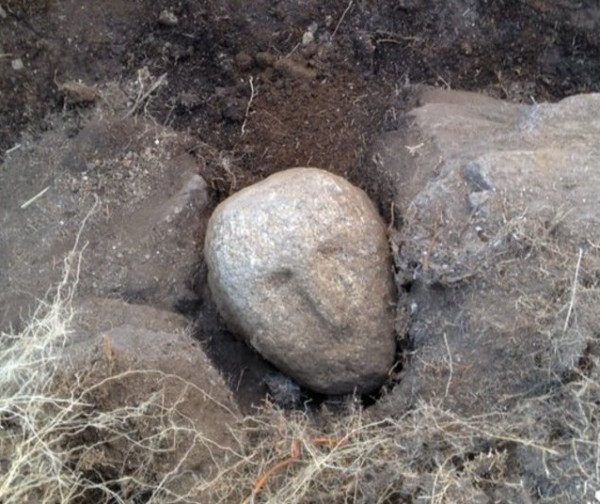
We were also lucky enough to see this severed stone head being excavated

And this pit full of ceramic jugs too
Back in the lab, we meet some more archaeologists working on the artefacts
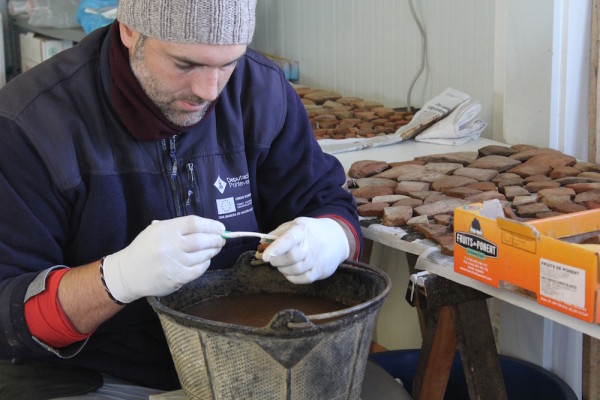
They’ve found more than 30,000 pieces so far
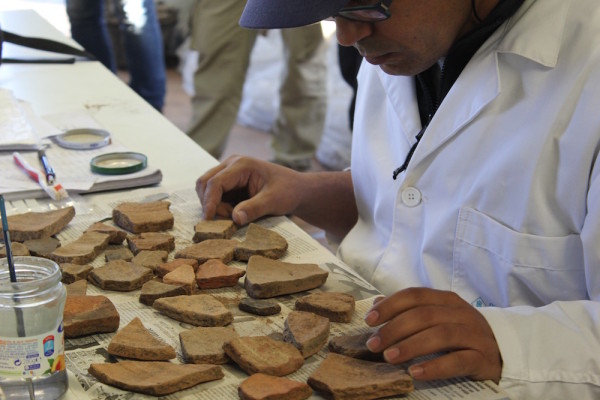
We get to handle and admire some of them
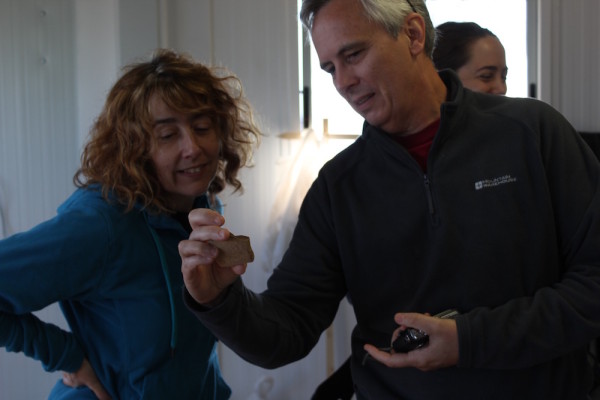
Like this fabulous jug
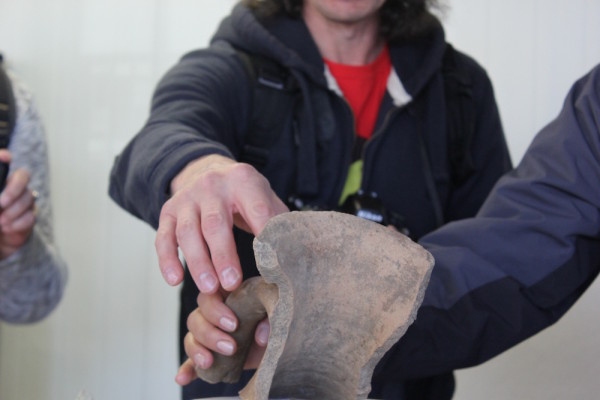
And this carved stone weight

By the end of the day, we’ve all been blown away
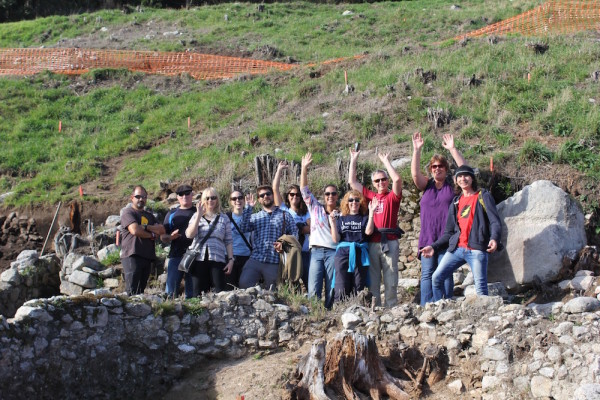
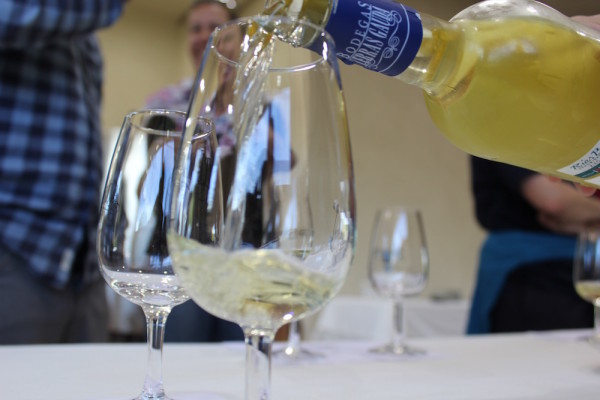
Time for an enjoyably well-deserved glass of wine at the nearby vineyard!