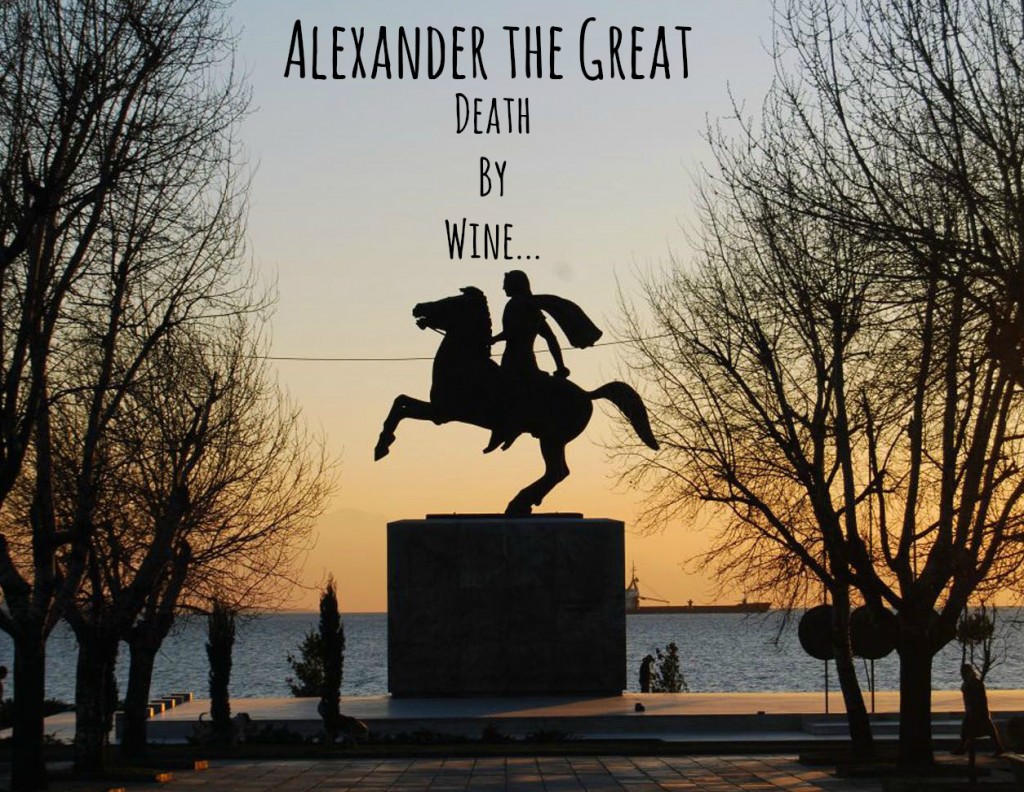

Alexander died at the palace of Nebuchadnezzar II in Babylon in 323 BC – but what was it that killed this mighty man at the premature age of 32, plunging his Achaemenid subjects into inconsolable grief? Typhoid fever? Malaria? Or something more sinister?
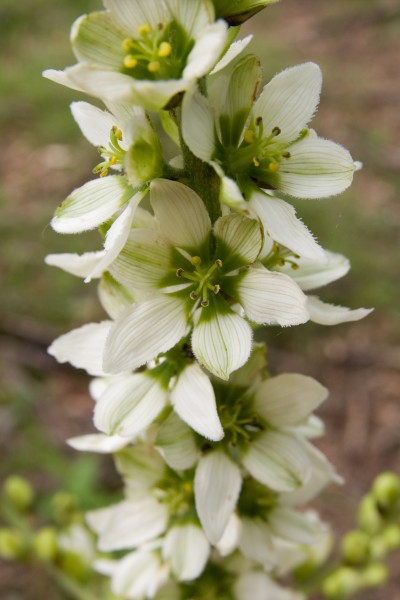

The alleged culprit… Veratrum album. Don’t be fooled by its dainty white flowers, for this her – also known as white hellebore – can cause hell on earth when ingested. Think nausea, vomiting, dizziness, stupor, convulsions and eventual death. Not the nicest way to go. Veratrum album was already familiar to the Greeks, fermented as herbal medicine to induce vomiting.
Back to the murder hypothesis, and Diodorus recorded that Alexander was struck with pain after drinking a large bowl of unmixed wine in honour of Hercules. According to the medical journal Clinical Toxicology the poison causes symptoms similar to Alexander’s, “the sudden onset of epigastric and substernal pain, which may also be accompanied by nausea and vomiting, followed by bradycardia and hypotension with severe muscular weakness.” Now we don’t really understand all that, and we’re admittedly no detectives, but whenever someone collapses in pain shortly after drinking wine at a banquet on Miss Marple, it always turns out foul play.
Nevertheless researcher Schep admits his theory can’t be proven beyond doubt, “We’ll never know really,” he says. Poison or no poison we’ve learnt one thing.
Unless you want to redefine the notion of ‘love sick’, it’s probably not such a good idea to pick wild white hellebore to give to your girlfriend for valentines next month! As Juliet might say…