
But what of the effects of climate change on the past and what will these changes mean for archaeology?
As anyone who followed and supported our work at Flag Fen knows, the challenge of a changing climate can be immensely destructive to archaeology, but recent stories from Norway have also shown that this can also present a great opportunity.
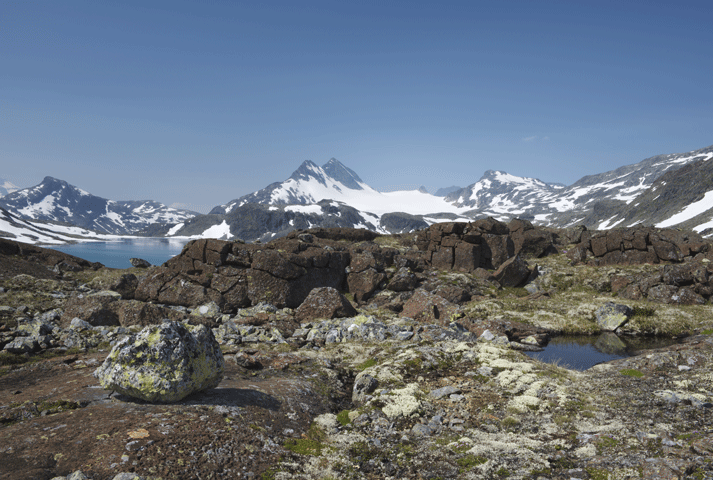
Melting glaciers in Norway have revealed exciting discoveries, the most recent being the remains of an Iron Age horse found 2000 metres up a mountain near Lillehammer. The Lendbreen glacier which preserved its remains is believed to have been both a hunting spot and a mountain pass from the late Iron Age to the early medieval period. Previously recovered finds include horse manure, horse shoes, and most remarkably, an almost perfectly preserved woollen tunic. The tunic, dating back 1,700 years, was frozen in time, giving us a rare glimpse into the fashions of the average Iron Age person.


Iron age horse dung, bones and shoes found in the wake of a retreating glacier
Global warming has led to a string of other discoveries, with melting ice leaving behind perfectly preserved artefacts. Head of Snow Archaeology at Oppland council, Lars Pilø describes the finds as “like they’ve been in a time machine”. However, while archaeology enthusiasts are marvelling at these splendours, the rest of the world may not be quite so cheery. But it isn’t all fun and games for the archaeologists either. As soon as the ice melts, remains are once again at the mercy of the elements and the race is on to find and preserve them before they are lost forever.
Pilø also comments that “even though the finds up there are fantastic, the background to the science is very serious,” with experts advising that by the end of the century all the ice in the Norwegian highlands will be gone.
A double-edged sword, with a perfectly preserved decorated leather scabbard and jewel encrusted handle, will surely soon be found.